











































































































































How to Lose Weight Fast and Safely: A Practical Guide
Author: RVLNSV PRASAD
Updated On: August 2026
Author Note
This article was written by RVLNSV PRASAD to provide practical, easy-to-understand information about healthy fitness habits. The goal is to help readers make realistic choices that support regular physical activity, balanced nutrition, and long-term well-being. Health and fitness needs can vary from person to person, so readers should choose approaches that fit their individual needs and abilities.
Key Takeaways
- Focus on sustainable weight-loss habits rather than extreme diets or exercise routines.s.
- Regular physical activity can support overall health, strength, mobility, and energy. (WHO: Physical Activity)
- Choose balanced meals that provide a variety of nutritious foods.
- Avoid skipping meals or following unnecessarily restrictive diets.
- Give your body enough time to rest and recover after exercise.
- Set realistic goals that match your current fitness level and lifestyle.
- If you have a medical condition or specific health concerns, seek personalized advice from a qualified healthcare professional.
Introduction
How to lose your weight fast and safely is a question many people ask.
Almost everyone can want to lose weight at some point.
Some people want better health, greater confidence, and more energy in their daily lives.
But the internet is full of confusing advice.
Many people want to lose weight, but knowing where to start can be difficult. Online advice often recommends extreme diets, cutting out entire food groups, or exercising excessively. These approaches may produce short-term changes, but they can be difficult to maintain.
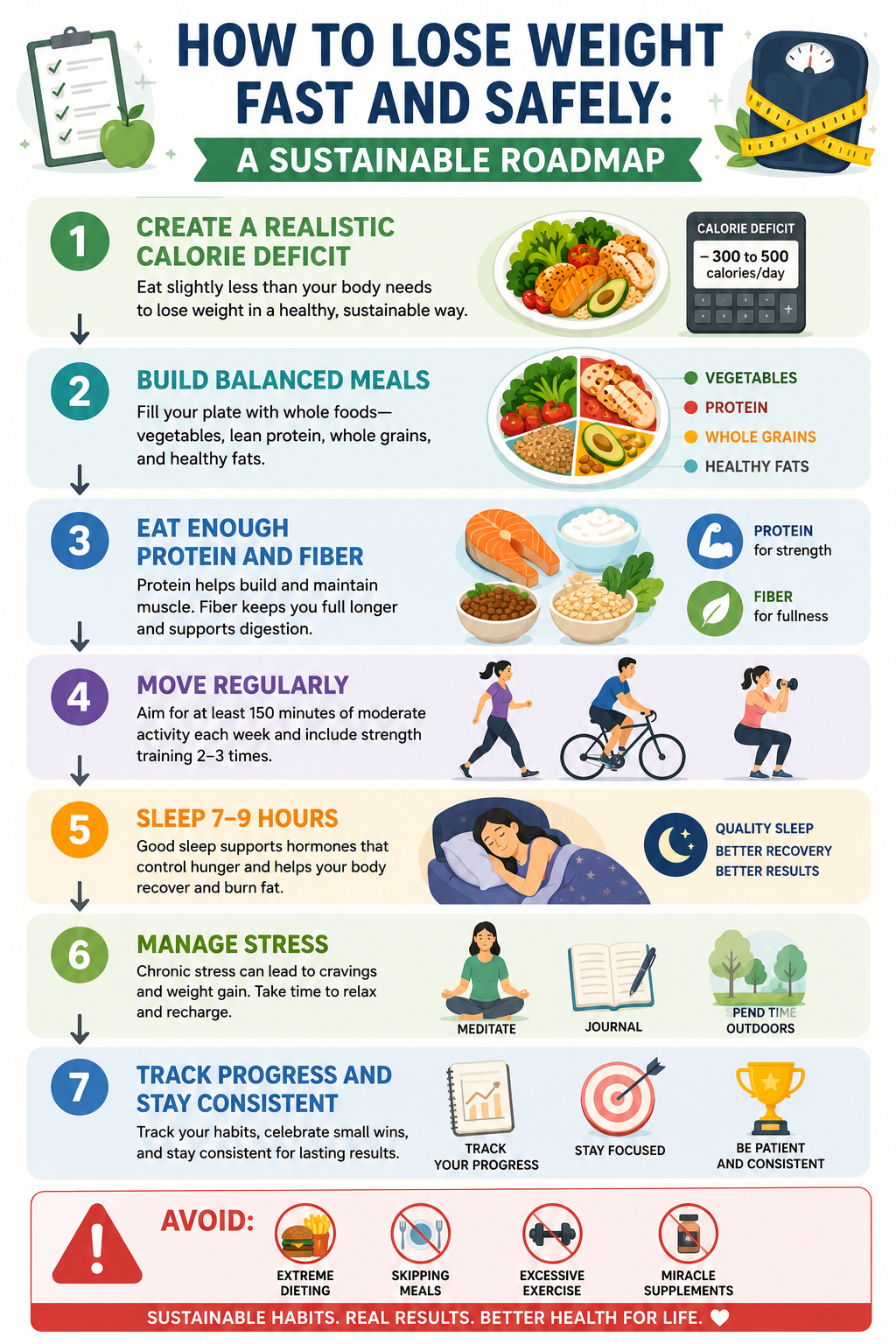
A calorie deficit means consuming fewer calories than your body uses over time. You don’t need to create a large deficit by starving yourself. Reducing portions slightly, choosing lower-calorie foods, reducing sugary drinks, and increasing physical activity can all contribute to a sustainable deficit.
In this guide you will learn:
- How weight loss really works
- Simple strategies that work in real life
- Practical examples
- Personal insights and experience
- Mistakes to avoid
Quick Answer
Better health does not require extreme diets or exhausting workouts. A sustainable approach combines regular physical activity, balanced eating, adequate sleep, stress management, and healthy daily habits. Small changes that you can maintain consistently are often more practical than short-term extreme approaches. (CDC: Health Benefits of Physical Activity for Adults)
Understanding How To Lose Your Weight
Many people believe weight loss is complicated. Your body can utilize energy every day. Energy can come from food.
Weight loss generally occurs when your body uses more energy than you consume over time. This creates an energy deficit. However, the body’s response to weight loss is more complex than simply counting calories, and weight-loss needs vary between individuals.
NIDDK specifically notes that body-weight changes are more complex than a simple fixed calorie formula.
Creating a calorie deficit is the foundation of weight loss. But this must be done carefully. Extreme calorie reduction can cause problems. Safe weight loss focuses on balance. Not starvation.
Why Fast Weight Loss Can Be Dangerous
Some people want very fast results.
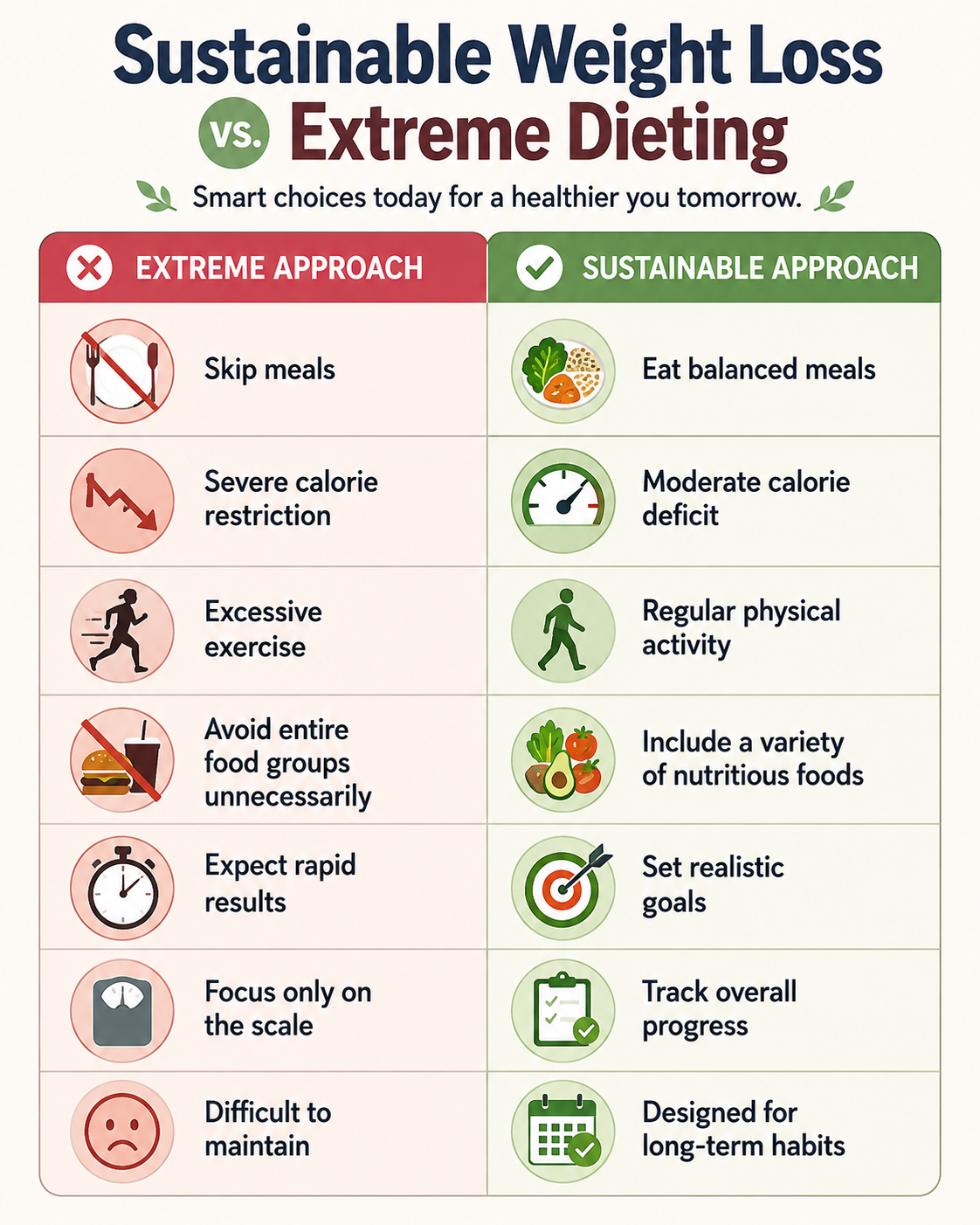
- They can follow extreme diets.
- They can eat very little food.
- They can lose weight quickly.
But this always causes problems.
Common issues include:
- Low energy
- Muscle loss
- Nutrient deficiency
- Slower metabolism
Many individuals regain the weight later. This is called yo-yo dieting. Healthy weight loss should be steady.
What Is a Realistic Weight-Loss Goal?
Explain that a person does not necessarily need to lose a huge amount of weight to benefit.
NIDDK says that for many people with higher weight, an initial goal of losing 5–10% of their starting higher weight in about 6 months can be appropriate.
My Personal Experience With Weight Loss
Several years ago I wanted to lose weight.
My job involved long hours sitting.
- I gained about 8 kilograms.
- I tried a strict diet.
- I stopped eating dinner.
- I avoided carbohydrates.
At first the weight dropped quickly.
But something felt wrong.
- I felt tired.
- I felt irritable.
- I had low energy.
After a month I stopped the diet. And the weight returned. Then I changed my approach.
I focused on small habits.
- Balanced meals.
- Daily walking.
- Better sleep.
But this time it stayed off.
That experience changed my understanding of healthy weight management.
That experience taught me that a slower, more manageable approach was easier for me to maintain than the restrictive diet I had tried before.
Nutrition: The First Step in How to Lose Your Weight
Food choices matter. Not all calories affect the body equally.
Foods rich in protein and fiber can help you feel fuller, which may make it easier to manage overall food intake.
Highly processed foods and sugary foods can be easy to overconsume, particularly when they provide many calories without much fiber or prot
You should focus on real foods.
Examples can include:
- Healthy fats
- Fruits
- Vegetables
- Lean protein
- Whole grains
These foods will support sustainable weight loss. You should limit processed foods. They often contain excessive sugar and fat.
Portion Control: A Simple Strategy
Many people eat healthy foods but still struggle with portion sizes. But portions are too large. Even healthy food can contain calories.
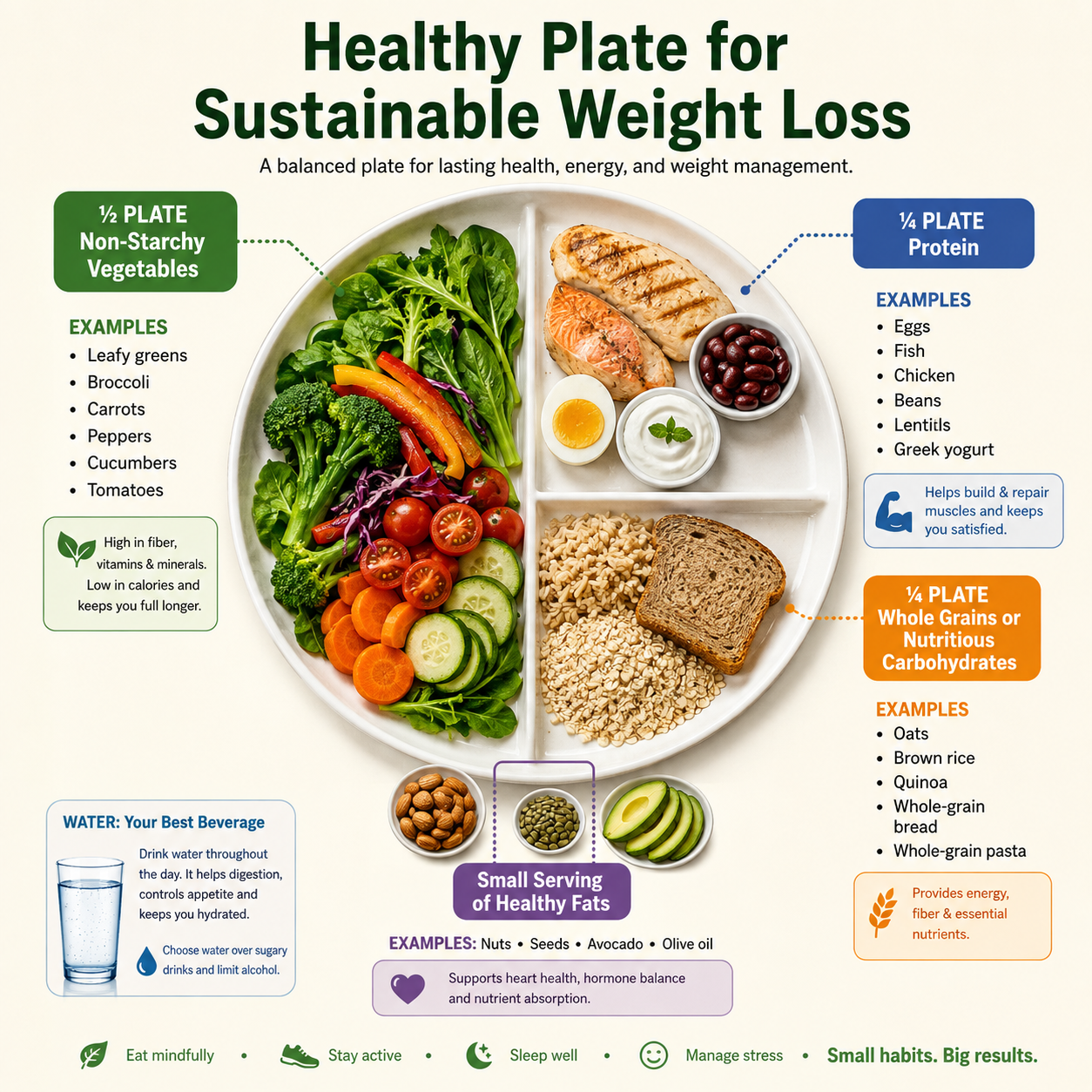
A simple trick is the plate method.
- Half plate of vegetables.
- Quarter plate protein.
- Quarter plate of healthy carbohydrates.
This structure can help control calories. It can support balanced nutrition. It also makes your weight-loss goals easier to manage.
Protein and Weight Loss
Protein can be part of a healthy weight-loss eating pattern. This can help maintain muscle.
Adequate protein intake can help support muscle maintenance during weight loss, particularly when combined with resistance exercise. Protein can also reduce hunger.
Foods rich in protein include:
- Eggs
- Chicken
- Fish
- Beans
- Lentils
- Greek yogurt
Adding protein to meals supports maintaining a healthy weight naturally.
Exercise: A Powerful Support Tool
Exercise is not only about burning calories. It can improve metabolism. This can strengthen muscles. It improves mental health. Exercise can also help maintain weight loss long-term.
Good beginner exercises include:
- Walking
- Cycling
- Swimming
- Bodyweight workouts
Combining exercise with nutrition improves weight loss results.
An Illustrative Example
Consider an example of a 40-year-old office worker who gradually changes his eating and activity habits.
- Long work hours
- Fast food meals
- Little exercise
He decided to change. But he did not follow an extreme diet. He made three simple changes.
First.
He started walking 40 minutes daily.
Second.
He reduced sugary drinks.
Third.
Over several months, these changes could support gradual weight loss and better overall fitness. Individual results will vary.
His story shows that sustainable habits support how to lose your weight effectively.
Hydration: The Hidden Factor
They snack when the body actually needs water. It can improve digestion. This can help control appetite.
Staying hydrated is important for normal body function, but there is no single amount of water that everyone needs each day. Fluid needs vary with factors such as body size, activity level, climate, diet, and health conditions. Water is a practical choice for staying hydrated, while foods and other beverages also contribute to total fluid intake.
Hydration is an often-ignored part of losing weight.
Sleep: The Missing Piece
Sleep can influence appetite, food choices, mood, and daily energy. Getting enough sleep may make it easier to follow healthy eating and activity habits.
Sleep can affect weight more than many people realize. This can increase cravings for sugar and junk food.
Adults should aim for 7 to 9 hours per night. Better sleep improves success in healthy weight management
Stress: A Major Obstacle
Stress can affect eating behavior. Many individuals can eat comfort food during stress.
Stress can affect eating behavior, sleep, and daily activity. Some people may respond to stress by eating more highly processed or calorie-dense foods. Finding practical ways to manage stress can support a healthy weight-management routine.
Stress management is important.
Helpful activities include:
- Meditation
- Walking
- Deep breathing
- Reading
- time outdoors
Managing stress improves your chances of losing weight successfully.
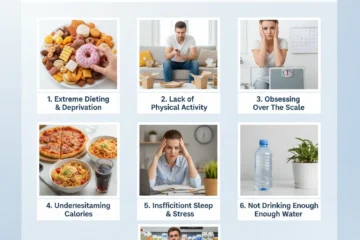
Common Mistakes People Make
Many people try to lose weight. But some habits slow progress. Let us discuss common mistakes.
Skipping Meals
Some individuals can skip meals to reduce calories.
- This always backfires.
- Extreme hunger leads to overeating later.
- Balanced meals support steady, sustainable weight loss progress.
Drinking Calories
Sugary drinks contain many calories.
Examples include:
- Soda
- Sweet tea
- Energy drinks
- Flavored coffee
Liquid calories add weight quickly.
Reducing them helps sustainable weight loss significantly.
Expecting Instant Results
Weight loss takes time. Many people quit too early. Consistency matters more than speed. Patience supports sustainable results for your weight-loss goals.
The Missing Angle: Your Environment Matters
Many articles focus only on food and exercise. But the environment also matters. Your surroundings can influence your habits. Whether your kitchen is full of junk food, temptation will be increased.
Whether healthy food is available, good choices can become easier.
- Simple changes help.
- Keep fruit visible.
- Keep junk food out of reach.
Environment can support how to lose your weight without constant willpower.
Your environment can make healthy choices easier or harder. Keeping fruit, vegetables, and other nutritious foods visible can reduce the need to make repeated decisions. At the same time, keeping highly tempting foods less accessible may help you manage them more easily. (NIDDK)
My Honest Opinion
My view is that a weight-loss plan should fit your real life. If a strategy leaves you exhausted, overly restricted, or unable to maintain it, a more gradual approach may be worth considering.
But most of these approaches fail. Healthy weight loss should fit real life. It should not cause suffering. It should not require perfection.
The best strategy for maintaining a healthy weight is simple.
- Eat balanced meals.
- Move your body.
- Sleep well.
- Manage stress.
- Stay consistent.
Simple habits create powerful results.
Who Should Talk to a Healthcare Professional Before Losing Weight?
This is particularly useful because your article is health-related.
Include people who:
- are pregnant or breastfeeding
- have an eating disorder or a history of one
- Take medicines that may affect weight
- have diabetes or other chronic conditions
- have significant unexplained weight changes
- are considering a very low-calorie diet
- are unsure whether weight loss is appropriate for them
NIDDK recommends discussing weight-loss goals with a healthcare professional and notes that treatment should be tailored to the individual. (NIDDK)
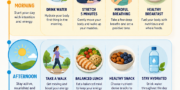
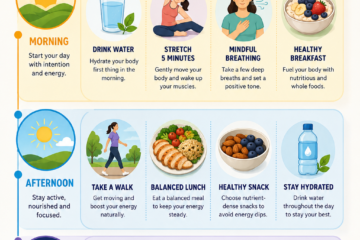
A Simple Daily Routine for Weight Loss
Morning
Drink water.
Eat a balanced breakfast.
Midday
Healthy lunch with vegetables and protein.
Afternoon
Short walk.
Evening
Light dinner.
Relaxation and good sleep.
This routine supports sustainable weight loss.
A Simple 7-Day Start to Healthy Weight Loss
Don’t give a rigid calorie diet.
Instead:
- Day 1: Replace sugary drinks with water.
- Day 2: Add vegetables to lunch and dinner.
- Day 3: Take a 20–30 minute walk.
- Day 4: Include protein with each main meal.
- Day 5: Review portion sizes.
- Day 6: Establish a consistent bedtime.
- Day 7: Review what worked and choose 2–3 habits to continue.
Long-Term Benefits Beyond Weight Loss
Healthy habits improve many aspects of life.
Benefits include:
- Better heart health
- Improved blood sugar control
- Higher energy levels
- Better mood
- Better sleep
This shows that how to lose weight safely is not only about appearance.
It is about health.
Frequently Asked Questions
1. How can I improve my overall health?
You can support your overall health by combining regular physical activity with balanced nutrition, adequate sleep, stress management, and other healthy daily habits. Start with small changes that are realistic enough to maintain over time.
2. Do I need an extreme diet to become healthier?
No. Extreme diets are not necessary for most people. A balanced eating pattern that provides a variety of nutritious foods can be a more sustainable approach to supporting overall health.
3. How much exercise should I do?
The right amount depends on your age, fitness level, health status, and goals. A good starting point is to increase activity gradually and include a mixture of aerobic activity and muscle-strengthening exercises when appropriate.
4. Can exercise improve energy levels?
Regular physical activity can support energy, physical fitness, and overall well-being. However, persistent or unexplained fatigue may have other causes and should be discussed with a healthcare professional.
5. How can I stay consistent with healthy habits?
Choose simple activities that fit naturally into your daily routine. Setting realistic goals, starting gradually, and tracking your progress can make healthy habits easier to maintain.
6. Should I talk to a doctor before starting an exercise program?
If you have an existing medical condition, significant symptoms, an injury, or concerns about your ability to exercise safely, it is sensible to speak with a healthcare professional first. They can help you determine which activities are appropriate for your individual situation.
Conclusion
How to lose your weight fast and safely is possible with the right habits.
- You do not need extreme diets.
- You do not need miracle supplements.
- You need simple habits.
Focus on balanced meals, regular physical activity, adequate sleep, and practical stress-management habits. You do not need perfection or extreme restrictions. Small changes that you can maintain consistently can support healthier weight management over time.
Small daily improvements lead to big long-term results.
- Focus on health.
- Focus on consistency.
Your weight loss journey can begin today.
Sources
- WHO – Physical Activity
- WHO – Healthy Diet
- Harvard T.H. Chan School of Public Health: Healthy Eating Plate
- WHO Guidelines on Physical Activity and Sedentary Behaviour
- CDC: Health Benefits of Physical Activity for Adults
Medical Disclaimer:
This article is intended for general educational and informational purposes only. It is not a substitute for professional medical advice, diagnosis, or treatment. Exercise, nutrition, and lifestyle recommendations may not be appropriate for everyone. If you have a medical condition, take medications, are pregnant, are recovering from an injury, or have concerns about starting a new exercise or nutrition program, consult a qualified healthcare professional before making significant changes. Stop exercising and seek appropriate medical attention if you experience severe pain, dizziness, chest pain, difficulty breathing, or other concerning symptoms.
Similar Content
- 12 Best Diets to Lose 100 Pounds
- 14 Ways to Increase Protein Intake Daily Tips
- 13 Effective Tips on How to Get Sleep Quickly
- Best Weight Loss Nutrition
- Home





[…] How To Lose Your Weight Fast And Safely […]